


Battery Replacement and Reprogramming Solutions
A car key fob is one of those small devices that make daily driving feel effortless, and having it stop working can be more than just an inconvenience. The most frequent culprit behind a malfunctioning key fob is a dead battery, which is often a quick fix with minimal tools and effort. Simple key fob replacement usually restores full functionality, allowing the remote to lock, unlock, and even start the vehicle as intended. However, not every issue is solved with a battery swap, and recognizing when to take the next steps can save time and frustration while ensuring the car stays secure and accessible.
Sometimes, the problem goes beyond a battery. Signal interference from electronics, devices, or even nearby buildings can temporarily block the fob from communicating with the car. These issues are often intermittent, appearing more frequently in certain locations or under specific conditions. Testing the fob at a different distance or environment can help identify whether interference is the real cause. In addition, environmental factors like extreme cold or heat may affect the battery or the fob’s internal circuitry, making it function inconsistently. Awareness of these conditions can prevent unnecessary trips to a mechanic and provide insights into proper handling and storage of the key fob.
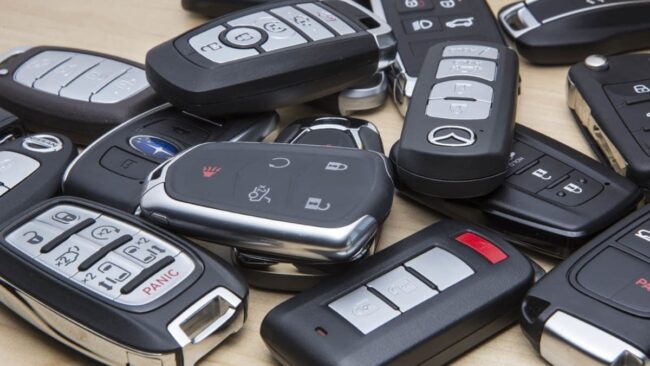
Reprogramming the key fob is another step to consider if battery replacement and environmental checks don’t solve the problem. Modern vehicles often require synchronization between the fob and the car’s onboard system. This process may involve holding specific buttons, following a sequence, or using diagnostic tools. While some reprogramming steps can be performed at home with careful attention to instructions, professional assistance is usually recommended to avoid accidental system resets or errors. Ensuring the fob communicates properly with the car prevents lockouts and helps maintain security features that rely on remote access.
Other mechanical or electrical issues may occasionally mimic key fob problems. A completely drained car battery, faulty ignition system, or malfunctioning door sensors can make it seem like the key fob has failed. Performing basic checks, such as verifying the car battery and inspecting door latches, helps rule out these alternate causes. Keeping track of any recurring issues, unusual behaviors, or inconsistencies can assist a professional technician in diagnosing the underlying problem more efficiently, saving time and potentially avoiding unnecessary replacement of the fob itself.
Ultimately, staying proactive with maintenance and understanding the key fob’s function ensures a smooth driving experience. Key fob replacement is often straightforward, but recognizing when to replace the battery, troubleshoot interference, or seek professional reprogramming is essential. By taking the time to address these issues thoughtfully, vehicle owners can restore full functionality quickly, maintain security, and prevent small frustrations from turning into larger problems. A properly functioning key fob keeps the car accessible, reliable, and stress-free every day.